
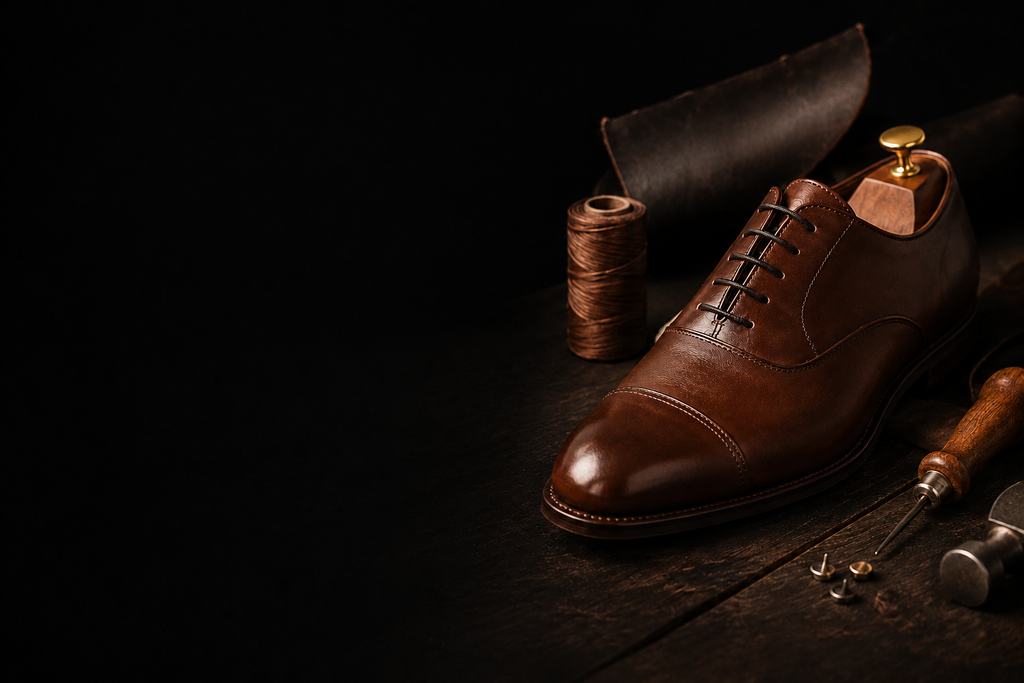
Why Handcrafted Shoes Last Longer Than Mass-Produced Footwear
Choosing the right pair of shoes is about more than style—it’s about quality, comfort, and long-term value. While mass-produced footwear is widely available and often more affordable, handcrafted shoes have earned a reputation for exceptional durability and craftsmanship.
So, what makes handcrafted shoes last longer? The answer lies in the materials, construction techniques, and attention to detail that go into every pair.
In this guide, we’ll explore the key reasons handcrafted shoes outperform factory-made footwear and why investing in quality craftsmanship can save you money in the long run.
Why It Matters
A well-made pair of handcrafted shoes isn’t just another purchase—it’s an investment. Unlike mass-produced shoes that often prioritize speed and low production costs, handcrafted footwear is built to withstand years of regular wear.
Premium leather, durable stitching, and skilled craftsmanship ensure better comfort, improved durability, and a longer lifespan. Instead of replacing your shoes every year, a quality handcrafted pair can serve you reliably for many years with proper care.
Handcrafted Shoes vs Mass-Produced Shoes: Quick Comparison
|
Feature |
Handcrafted Shoes |
Mass-Produced Shoes |
|
Construction |
Carefully handmade by skilled artisans |
Machine-assembled for speed |
|
Materials |
Premium leather and quality components |
Mixed or synthetic materials |
|
Durability |
Built to last for years |
Often wears out more quickly |
|
Comfort |
Molds naturally to your feet |
Standardized fit |
|
Repairability |
Often repairable and resoleable |
Usually difficult or impossible to repair |
|
Value |
Higher upfront cost but longer lifespan |
Lower initial price but frequent replacement |
1. Superior Materials Make a Big Difference
One of the biggest reasons handcrafted shoes last longer is the quality of materials used.
Many handcrafted shoes are made using full-grain or top-grain leather, which retains the strongest part of the hide. These materials are naturally durable, breathable, and resistant to daily wear.
Mass-produced footwear often uses synthetic leather, bonded leather, or lower-grade materials to reduce manufacturing costs. While they may look attractive initially, they typically crack, peel, or lose their appearance much sooner.
What to Look For
· Full-grain leather
· Top-grain leather
· Genuine leather lining
· Durable rubber or leather soles
2. Every Pair Receives Individual Attention
Unlike automated production lines, handcrafted shoes are carefully assembled by experienced artisans.
Every stitch, cut, and finish is inspected throughout the process. This attention to detail helps eliminate common manufacturing defects such as uneven stitching, weak glue joints, or poorly attached soles.
The result is footwear that feels more refined and performs better over time.
3. Stronger Construction Techniques
Durability isn’t just about leather—it’s also about how the shoe is built.
Many handcrafted shoes use construction methods such as Goodyear welting or Blake stitching instead of relying primarily on adhesives.
These traditional techniques securely attach the upper to the sole, making the shoe stronger and easier to repair when needed.
Mass-produced shoes often depend heavily on glue, which can weaken after repeated exposure to heat, moisture, and everyday flexing.
4. Better Fit Means Less Wear
Handcrafted shoes are designed with comfort in mind.
Premium leather gradually molds to the unique shape of your feet, creating a personalized fit that reduces pressure points and unnecessary stretching.
A better fit also minimizes internal friction, helping the shoe maintain its structure while reducing stress on the seams and leather.
Mass-produced footwear generally follows standardized sizing, which may not provide the same long-term comfort.
5. Handcrafted Shoes Can Be Repaired
One of the greatest advantages of handcrafted footwear is repairability.
When the sole eventually wears down, many handcrafted shoes can be professionally resoled, polished, or restored without replacing the entire shoe.
This significantly extends their lifespan and makes them a more sustainable choice.
Most mass-produced shoes are not designed for repair, meaning even minor damage often requires buying a new pair.
6. Better Breathability Protects the Shoe
Natural leather allows air to circulate more effectively than synthetic materials.
This breathability reduces moisture buildup inside the shoe, helping preserve both the leather and the internal lining.
Less trapped moisture also means fewer odors and a healthier environment for your feet.
Synthetic materials often trap heat and humidity, which can accelerate wear and reduce overall comfort.
7. Quality Craftsmanship Stands the Test of Time
Experienced shoemakers pay close attention to details that machines often overlook.
They carefully inspect leather quality, ensure even stitching, smooth the edges, and apply precise finishing touches.
This level of craftsmanship produces shoes that not only look elegant but also maintain their shape and durability after years of use.
It’s this combination of skill and precision that sets handcrafted footwear apart from mass-produced alternatives.
Common Myths About Handcrafted Shoes
Myth 1: They’re Only for Formal Wear
Not true.
Today, handcrafted shoes are available in a wide range of styles, including loafers, boots, sneakers, moccasins, and casual everyday footwear.
Myth 2: They’re Too Expensive
While handcrafted shoes usually cost more upfront, they often prove more economical over time because they last much longer and can often be repaired instead of replaced.
Myth 3: They Require Constant Maintenance
Basic care is usually enough.
Regular cleaning, occasional conditioning, and proper storage can keep quality leather shoes looking great for years.
Tips for Buying Quality Handcrafted Shoes
Before making your purchase, consider the following:
· Choose shoes made from full-grain or top-grain leather.
· Check for clean, consistent stitching.
· Look for welted or stitched construction instead of glued soles.
· Read product descriptions carefully.
· Buy from brands that clearly explain their craftsmanship and materials.
· Invest in proper shoe care products to maximize longevity.
Frequently Asked Questions
Are handcrafted shoes really more durable?
Yes. Handcrafted shoes are typically made with higher-quality materials and stronger construction techniques, allowing them to withstand years of regular wear.
Why do handcrafted leather shoes cost more?
The price reflects premium materials, skilled craftsmanship, longer production time, and superior construction methods that contribute to a longer lifespan.
Can handcrafted shoes be repaired?
In many cases, yes. High-quality handcrafted shoes can often be resoled, polished, or restored, making them a long-term investment.
Are handcrafted shoes worth buying?
If you value comfort, durability, and long-term savings, handcrafted shoes are often worth the investment. Their ability to last for years makes them more cost-effective than repeatedly replacing lower-quality footwear.
Final Thoughts
Handcrafted shoes offer far more than timeless style—they represent quality, durability, and expert craftsmanship. From premium leather and traditional construction methods to personalized comfort and repairability, every detail contributes to a longer-lasting product.
While mass-produced footwear may seem like the more affordable option at first, frequent replacements often make it more expensive over time. Investing in handcrafted shoes means choosing footwear designed to perform better, age gracefully, and provide lasting comfort for years to come.
If you’re looking for shoes that combine elegance with exceptional durability, handcrafted footwear remains one of the smartest investments you can make.
