
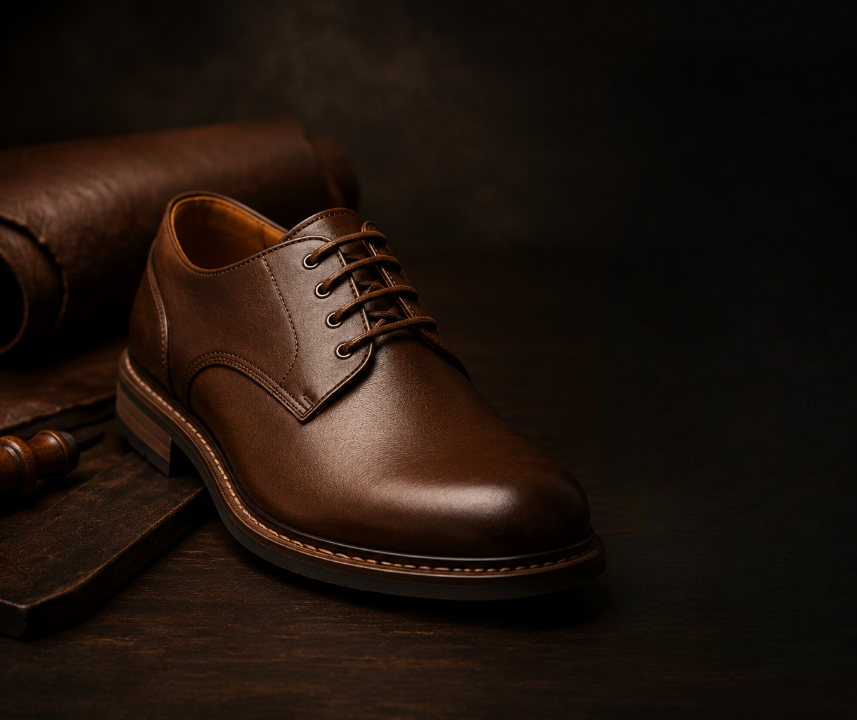
7 Signs You're Buying Genuine Leather Shoes
Buying leather shoes should feel like an investment, not a gamble. Yet with terms like "genuine leather," "PU leather," "bonded leather," and "vegan leather" being used across online stores, it's easy to end up with a pair that looks premium but wears out within months.
The good news is that you don't need to be a leather expert to spot quality footwear. A few simple checks can help you distinguish real leather from synthetic alternatives before you spend your money.
In this guide, we'll cover the seven most reliable signs that you're buying genuine leather shoes, along with a few mistakes buyers commonly make.
Why It Matters
A quality pair of genuine leather shoes doesn't just look better—it also ages better. Unlike synthetic materials that often crack or peel over time, real leather develops a natural patina, molds to your feet, and can last for years with proper care.
While genuine leather shoes usually cost more upfront, they often provide better long-term value because they remain comfortable and durable through regular use.
Genuine Leather vs Synthetic Leather: Quick Comparison
|
Feature |
Genuine Leather |
Synthetic (Fake) Leather |
|
Texture |
Natural grain with slight imperfections |
Uniform, machine-made pattern |
|
Smell |
Rich, earthy leather aroma |
Plastic or chemical smell |
|
Comfort |
Softens and molds to your feet over time |
Usually remains stiff and less flexible |
|
Durability |
Can last for years with proper care |
More likely to crack, peel, or wear out quickly |
|
Breathability |
Naturally breathable |
Limited airflow, may trap heat |
|
Appearance Over Time |
Develops a unique patina |
Tends to lose its finish with age |
1. The Leather Has a Natural Grain
The easiest way to identify genuine leather is by looking closely at its surface.
Real leather has natural imperfections. Small wrinkles, uneven grain patterns, tiny pores, and slight texture variations are all signs that the material comes from animal hide. Every piece is unique.
Synthetic leather, on the other hand, usually has a perfectly uniform pattern repeated across the entire shoe. If every section looks identical, it's likely machine-made material rather than natural leather.
What to Check
- Slight texture variations
- Natural wrinkles near flex points
- Irregular grain instead of identical patterns
2. Genuine Leather Has a Distinct Smell
One of the oldest and most reliable tests is the smell.
Real leather has a rich, earthy aroma that's difficult to replicate. It comes from the tanning process and the natural fibers of the hide.
Artificial leather often smells like plastic, glue, chemicals, or vinyl—especially when the shoes are brand new.
Although manufacturers have become better at mimicking leather scents, genuine leather still has a deeper and more natural smell.
3. It Feels Soft Yet Firm
Leather should feel smooth, flexible, and slightly warm to the touch.
When you gently press the surface, genuine leather creates fine wrinkles before returning to its original shape.
Synthetic materials tend to feel either overly smooth or stiff. They often bounce back without showing natural creases.
A Simple Touch Test
Press the toe box lightly with your thumb.
If small wrinkles appear naturally around the pressure point, you're likely handling real leather.
4. The Edges Reveal the Truth
Many buyers only inspect the polished outer surface, but the edges tell a much bigger story.
Look around the tongue, lace area, or inside seams.
Real leather usually has slightly rough, fibrous edges because it's made from natural hide.
Synthetic leather often shows clean plastic layers or fabric backing underneath the outer coating.
This is one of the easiest ways to identify genuine leather when shopping in person.
5. The Shoes Become More Comfortable Over Time
Unlike synthetic footwear, genuine leather adapts to your feet.
During the first few wears, leather gradually softens and molds to your foot shape, creating a more personalized fit.
This is why many high-quality dress shoes feel even better after several weeks than they did on day one.
Synthetic shoes rarely improve with wear. Instead, they often become stiffer or start showing cracks around bending points.
6. Check the Product Description Carefully
Not every shoe labeled "leather" is made entirely from genuine leather.
Manufacturers often use terms that sound premium but describe different materials.
Here's what they usually mean:
|
Label |
What It Means |
|
Full-Grain Leather |
Highest-quality leather with maximum durability |
|
Top-Grain Leather |
Slightly sanded for a smoother finish while remaining premium |
|
Genuine Leather |
Real leather, but generally lower grade than full-grain or top-grain |
|
Bonded Leather |
Leather scraps mixed with adhesives and synthetic materials |
|
PU Leather |
Artificial polyurethane material with no animal hide |
If durability is your priority, full-grain leather remains the gold standard.
7. Quality Construction Usually Accompanies Genuine Leather
Premium leather deserves premium craftsmanship.
While leather alone doesn't guarantee a well-made shoe, reputable manufacturers often pair genuine leather with higher-quality construction techniques.
Look for features like:
- Strong, even stitching
- Leather lining for better breathability
- Goodyear welted or Blake stitched construction
- Solid heel attachment
- Durable outsole with clean finishing
Poor stitching and loose glue marks can indicate lower overall quality, even if the upper uses genuine leather.
Common Myths About Genuine Leather
Many shoppers rely on outdated advice when identifying leather shoes. Here are a few misconceptions.
Myth 1: Genuine Leather Is Always the Best Leather
Not exactly.
"Genuine leather" simply means the material comes from real animal hide. It doesn't automatically mean it's the highest quality.
Full-grain and top-grain leather generally outperform standard genuine leather in durability, appearance, and longevity.
Myth 2: Expensive Shoes Must Be Real Leather
Price alone doesn't guarantee authenticity.
Some fashion brands charge premium prices for synthetic materials because of branding rather than construction quality.
Always verify the material instead of assuming based on cost.
Myth 3: All Leather Shoes Are Waterproof
Natural leather is water-resistant to a degree, but it isn't waterproof unless specially treated.
Regular conditioning and protective sprays help leather withstand moisture while preserving its finish.
Buying Tips Before You Make a Purchase
Whether you're shopping online or in-store, these simple checks can save you from making the wrong choice.
Before buying, look for:
- Clear material descriptions
- Close-up product images showing leather texture
- Customer reviews mentioning leather quality
- Reputable brands with transparent manufacturing details
- Warranty or repair options where available
If you're shopping online, avoid listings that simply say "leather shoes" without specifying the type of leather used.
Frequently Asked Questions
How can I tell if leather shoes are genuine?
Look for natural grain, a rich leather smell, flexible texture, fibrous edges, and clear product descriptions mentioning real leather instead of synthetic alternatives.
Is genuine leather better than synthetic leather?
For durability, comfort, and long-term value, genuine leather generally performs better. It molds to your feet, lasts longer, and develops a natural patina over time.
What's the difference between genuine leather and full-grain leather?
Full-grain leather is the highest-quality leather because it retains the strongest outer layer of the hide. Genuine leather is still real leather but usually comes from lower layers and may not be as durable.
Can genuine leather shoes last for years?
Yes. With regular cleaning, conditioning, and proper storage, a well-made pair of genuine leather shoes can easily last for many years and often improve in appearance with age.
Final Thoughts
Buying genuine leather shoes doesn't have to be confusing once you know what to look for. Natural grain, a distinctive leather smell, flexible texture, quality construction, and transparent material descriptions are all strong indicators that you're investing in the real thing.
Rather than focusing only on style or price, pay close attention to the leather quality and craftsmanship. A well-made pair of genuine leather shoes offers more than just good looks—it delivers lasting comfort, durability, and value that synthetic alternatives rarely match.
